
Fencing might not be the most glamorous part of owning a hobby farm—but it’s absolutely one of the most important. The right fence keeps your animals safe, your property secure, and native wildlife where it belongs. At Harper Springs Alpacas, we’ve learned that good fencing isn’t one-size-fits-all. It’s about matching the fence to the animal, the terrain, and even the local wildlife (yes, we’re looking at you, kangaroos ).
If you’re setting up a property for alpacas—or other livestock—in Australia, here’s a breakdown of our approach to land management and fencing on the farm.
Understanding Your Land
Before you even hammer in a fence post, it’s essential to know your land:
- Soil type affects how deep posts need to go.
- Slopes and water flow can influence erosion and fence placement.
- Local wildlife can challenge your fencing in unexpected ways (like kangaroos slipping under or wombats digging through).
At Harper Springs, we work with a mix of flat grazing paddocks and slightly rolling terrain—ideal for alpacas, but still requiring thoughtful planning.
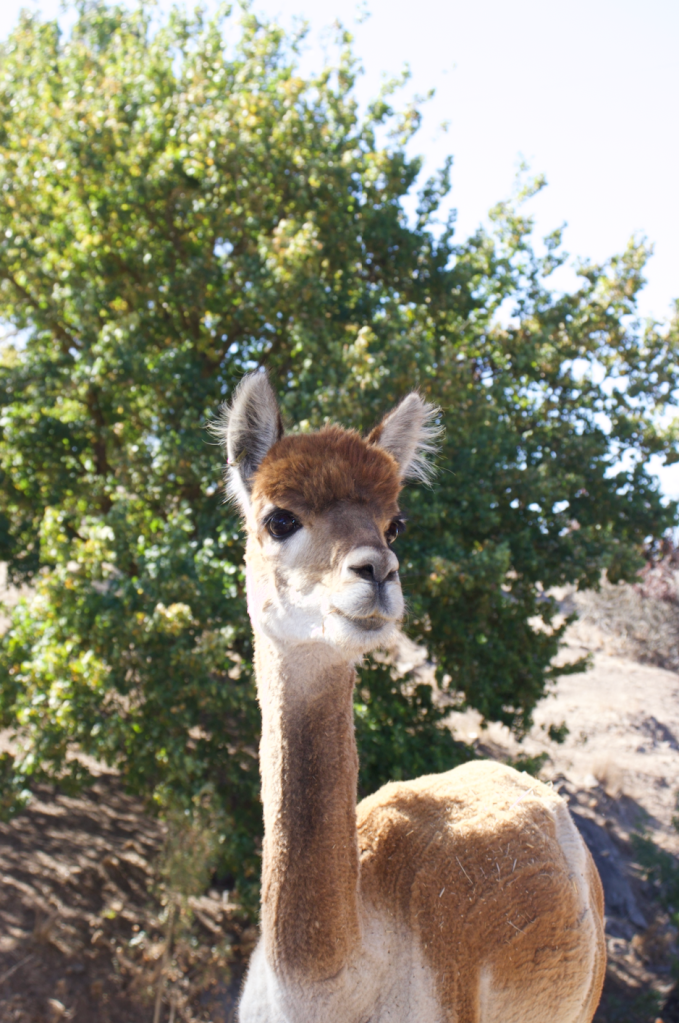
Fencing for Female Alpacas
Fence Type: Medium-Tension Wire Fence + Bottom Barbed Wire
Our female alpaca paddocks use a medium-tension wire fence with four strands of wire and a barbed wire strand along the bottom. Here’s why this setup works:
✅ Benefits:
- Gentle on animals: The medium-tension wire provides enough structure without posing a risk to the alpacas’ delicate fleece or skin.
- Kangaroo deterrent: The bottom barbed wire is a game changer. Kangaroos often try to duck under fences, and this discourages them without harming our alpacas.
- Cost-effective: This style offers durability without the expense of heavy-duty fencing, perfect for female paddocks where behavior is calmer.
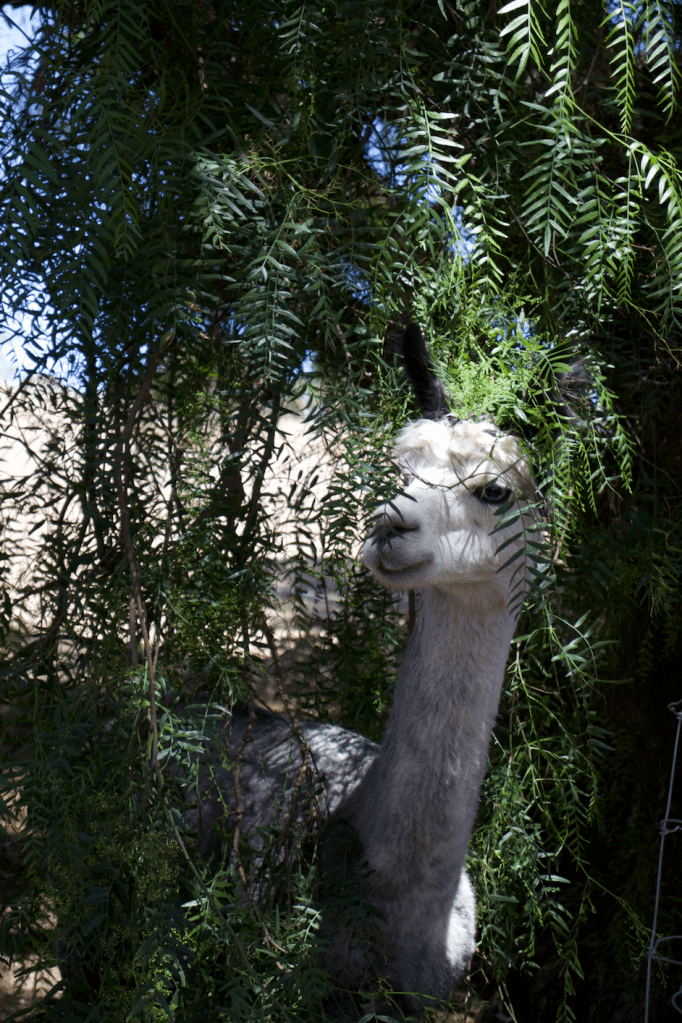
Fencing for Male Alpacas
Fence Type: Hinge Joint Cattle Fencing
Male alpacas are stronger, more territorial, and more likely to test a boundary. For our boys, we use hinge joint cattle fencing, and it’s proven essential.
✅ Benefits:
- Strong and flexible: The hinge joint design absorbs pressure and movement without breaking. Ideal for alpacas that lean, push, or rear up against the fence.
- Higher security: This fencing is tougher to jump or push over, reducing the risk of escape or injury.
- Longevity: It holds up well over time, even with more aggressive behaviors from the males.
Bonus Tip: Fencing for Miniature Horses
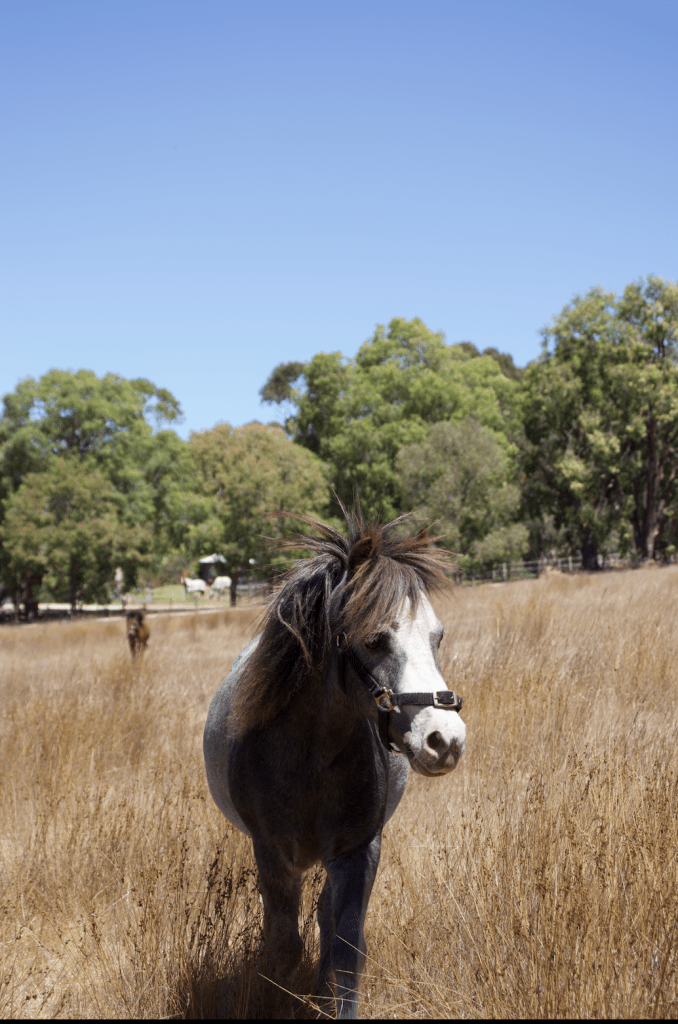
Bonus Tip: Fencing for Miniature Horses
While alpacas are our specialty, we also keep miniature horses. For them, we recommend:
- Post-and-rail fencing or
- Electric tape fencing (if supervised)
Mini horses are curious and clever but generally not aggressive. Fencing should be visible (to prevent accidents), smooth (to avoid injury), and about 1.2m high to keep them safely enclosed.
Final Thoughts: Build for Safety, Plan for Longevity
Choosing the right fencing on a hobby farm in Australia isn’t just about keeping animals in—it’s about adapting to the landscape, protecting against wildlife, and ensuring animal welfare. At Harper Springs Alpacas, we’ve found that customizing fencing for each group—based on behavior, strength, and environment—is the key to long-term success.
Whether you’re managing mellow female alpacas or rowdy boys, or adding goats, sheep, or horses into the mix, the right fencing makes your farm safer and your life easier.
 Harper Springs Alpacas